The Walls We Bang Our Heads Against Can Crumble
October 25, 2026

Dear friend,
Here in Israel and in America we are preparing to head to the polls. It’s a busy, tense time, and many of us are in overdrive reminding friends and supporters to vote, and working to engage the wider public on the importance of democratic values and human rights. It may feel sometimes that we are banging our heads against the wall, but remember: one day, that wall will break.
During this time, I find myself repeatedly returning to Hungary as an example of a country that managed to change course when that seemed to be impossible. Over the years, human rights and democracy activists in Israel and Hungary have developed close ties, as we aimed to support one another and learn together about how to defeat anti-democratic, populist governments. We all understood what it was like to operate under a government focused on maintaining perpetual rule by undermining democratic institutions, civil society, and the judicial system. And we all worked under the assumption that change, if it came, would take decades.
And then Hungary pulled off what was seemingly impossible. Years of work by activists that had seemed almost pointless suddenly and almost unexpectedly came to fruition. Young people who had been planning on leaving the country began planning their futures in it. Hungary proved that authoritarianism and populism are not deterministic. Change is possible.
I don’t want to overstate my case. There are significant differences between Israel and Hungary, and Hungary still faces challenges and remnants of Orbán’s regime. But during these times of uncertainty, and whatever the results of the elections may be, Hungary can be a reminder that when we put in the work, change is possible.
Below is an excerpt from an article that I wrote about Hungary’s shift to democracy, and the challenges that remain. You can read a translation of the entire article here, and the original article in Hebrew here.
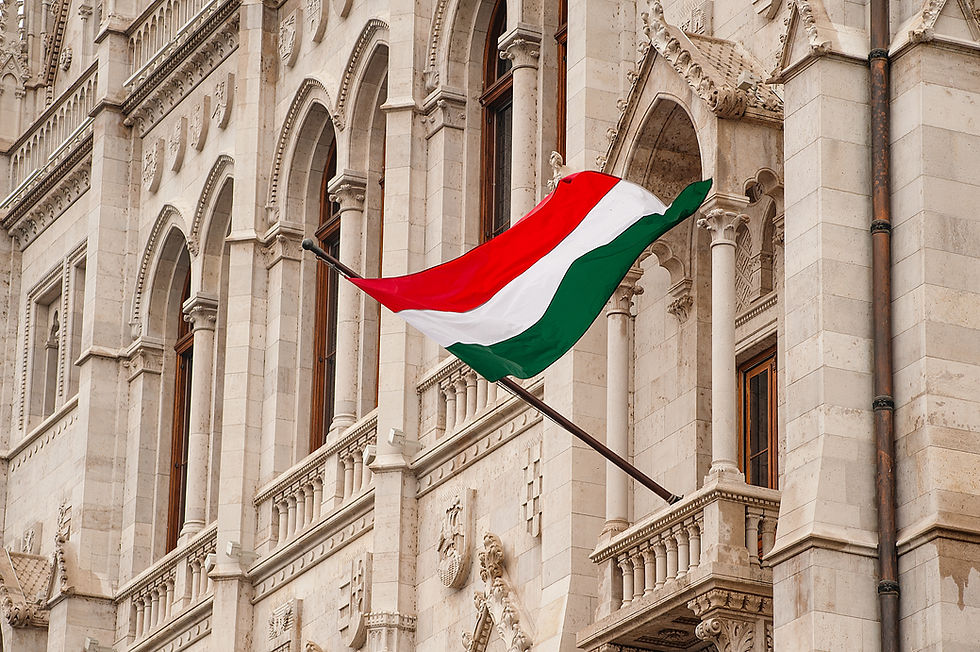
For nearly a year in 2023, protesters took to the streets across the country and chanted “Bibi, Sara, this is not Hungary.” This month, I visited Hungary, six months after Viktor Orbán was defeated in the elections after 16 years in power, and tried to understand the similarities and differences between the two countries.
Orbán was the first among the populist leaders of our generation to think strategically about entrenching his rule. He acted in an organized, gradual, and systematic manner to turn Hungarian democracy into a hollow, illiberal democracy. Until 2025, Hungarian pro-democracy activists believed that Orbán’s rule was stable and unbeatable, and focused on working with high school students to educate the next generation, on the assumption that it would take at least 10–15 years to replace the government.
In early October, about six months after Orbán was defeated in the elections, I attended the “Budapest Forum,” a conference held annually in the city since 2021 that focuses on liberal democracy and the challenges of populism. Budapest Mayor Gergely Karácsony, who had been one of the leading opponents of Orbán throughout his years in power, opened the conference by saying: “My friends, it’s over.” Speakers reiterated that Hungarians had managed to change the course of history. They also sought to emphasize to international partners that the populist process is not deterministic and that it is possible to change direction. It was difficult not to be swept up in the Hungarians’ joy.
The process of re-democratization is delicate and complex, carrying with it the risk of vindictiveness and deepening polarization, which could backfire in the next elections. Checks and balances need to be rebuilt, but public trust in the political system must also be restored.
There remain more questions than answers regarding the future of democracy in Hungary. In Hungary, as in Israel, defeating populism is only the first stage in a long and difficult process of rebuilding democratic institutions so that they allow freedom for all citizens and protect human rights.
We’ll update you after the Israeli elections with our analysis of the results and the human rights implications. In the meantime, let’s knock the wall down together. Donate Now.
More News from ACRI
Before those of us in Israel head to the polls, these reports by ACRI lay out what the outgoing government and Knesset accomplished over the past four years, and the immeasurable harm done to democratic ideals and human rights. A reminder of what is at stake on Tuesday.