


Settler "Field Trips" to Palestinian Areas
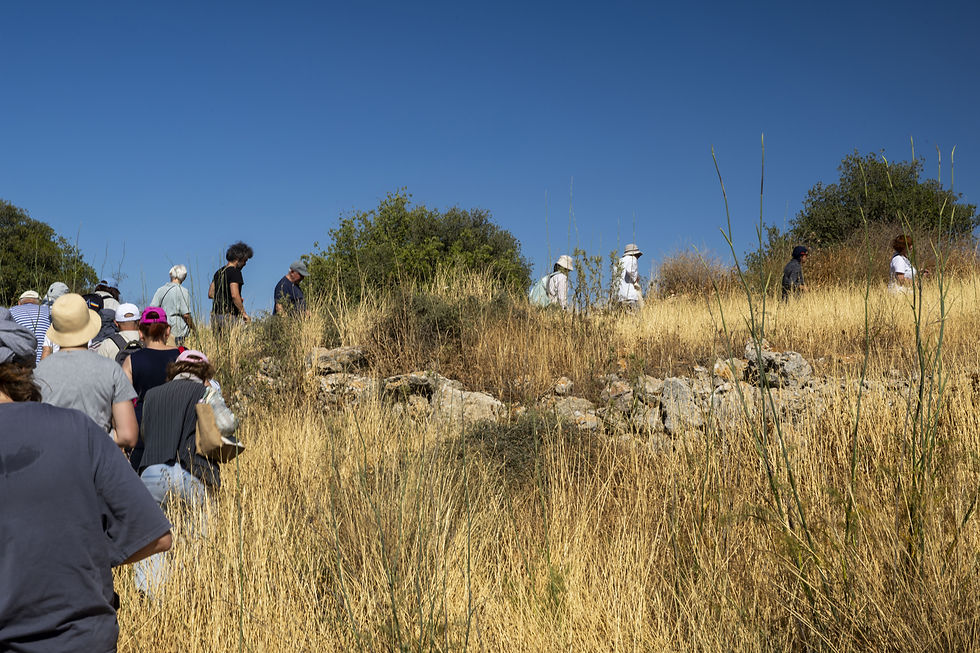
On August 10, 2026, ACRI contacted the Commander of the Central Command demanding that the military stop approving, securing, and escorting Israeli civilians entering Palestinian communities, their lands, and areas adjacent to homes, water sources, and sites used by local residents. The letter followed a series of “hikes” and “tours” by groups of settlers, including armed entries into Area A (the area in the West Bank under full Palestinian control) and Area B (the area in the West Bank under full civilian control of the Palestinian Authority with Israel responsible for security), all of which have taken place in the context of significant escalations in settler violence against Palestinians throughout the West Bank.
To name one example of a recent incident, on July 24, 2026 a group of dozens of armed Israelis came into the vicinity of the village of Tell. Although the military knew about the plan in advance and had not authorized it, it did not act to prevent it. The incident escalated into a deadly confrontation in which four Palestinians and two Israelis were killed. This was followed by a wave of attacks, arson, and raids on other Palestinian villages. Despite the fact that this was an unauthorized armed incursion by settlers into a Palestinian village, the military described the incident in Tell as a terrorist attack perpetrated by the Palestinians.
In our appeal, ACRI’s Legal Adviser, Attorney Oded Feller, argued that the policy allowing these incursions, and providing them with military protection, places Palestinian residents at risk and forces them to bear the security consequences of organized recreational activities. These “hikes” and “tours” undermine security and inflame tensions. They may lead to roadblocks, curfews, and movement restrictions imposed on Palestinians; interfere with access to medical care, land, and water sources; lead to disruptions and property damage; and pose real risks to residents’ physical safety. Having the military escort these groups sometimes makes it possible for them to go to places they could not access otherwise, thereby transforming the military from an actor obligated to protect the Palestinian population into one that facilitates the risks posed to it.
In our appeal, ACRI is demanding an end to the approval, protection, and escort of these forays, and a prohibition on allocating military forces to secure recreational activities for settlers while imposing restrictions on Palestinians. Furthermore, when the military learns of unauthorized settler activities, it must act in advance to prevent it, close the area to Israelis, remove those participating in the activity, and protect Palestinian residents and their property.
ACRI’s appeal, August 10, 2026 (Heb)


