


Fewer Courts Hearing Criminal Cases is Bad for Defendants and Victims
Updated: Jul 30
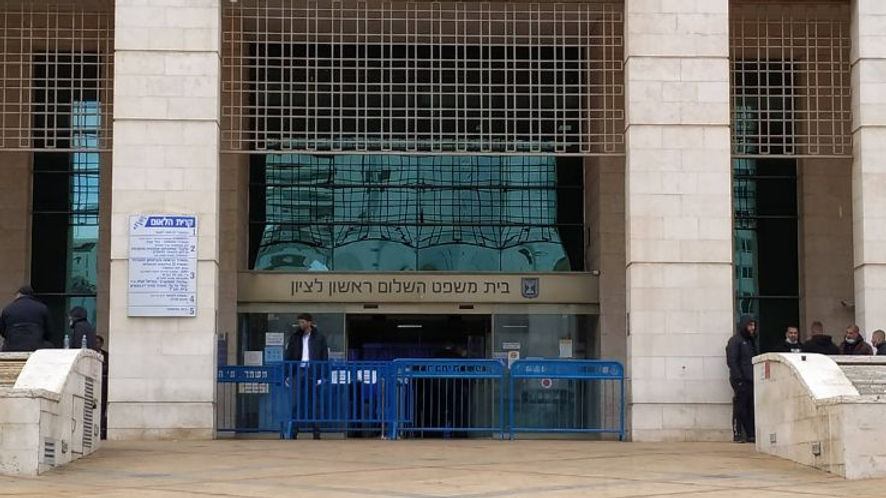
On July 28, 2026, ACRI sent an appeal to the President of the Magistrates' Courts in the Central District, the Director of the Courts Administration, and the Minister of Justice, demanding that they halt a plan under which the number of criminal proceedings in the courts of the cities of Kfar Saba, Rehovot, Netanya, and Ramla would be gradually decreased and concentrated in the courts of Petah Tikva and Rishon LeZion. The first phase of the plan is expected to begin in the coming days, and the criminal courthouse of the Kfar Saba Magistrates' Court is expected to close immediately, on July 30, 2026.
In the appeal, Attorney Elza Bugnet argued that the plan is being implemented without authority and without public participation. It will infringe on the public’s right to access the court system, and increase the burden on the already-overworked courts. Concentrating a district’s criminal hearings in only two courts will increase the number of cases needing to be heard each day, reduce the time devoted to each defendant, and undermine defendants' ability to fully exercise their procedural rights and properly present their case. The resulting caseload is also expected to lengthen the amount of time it takes to handle cases and result in protracted proceedings, at a time when criminal proceedings in Israel already take a significantly longer amount of time than in many other countries.
This plan will also worsen the conditions under which detainees and prisoners are held at the courts in Rishon LeZion and Petah Tikva. The detention facility in Petah Tikva, for example, is designed to hold only 60 detainees, yet it already sometimes holds more than 100 people a day. Detainees are already forced to wait for hours for their hearings in police transport vehicles while shackled and restrained.
Also worth noting is that because the courts in Petah Tikva and Rishon LeZion are located significantly farther from the communities that routinely receive services from the courts in Kfar Saba, Rehovot, Netanya, and Ramla, the plan will make it more difficult for defendants, their family members, and victims to attend hearings. The impact will be particularly harmful for people with disabilities and for populations that already face socioeconomic disparities and limited access to available and efficient public transportation or private vehicles.
ACRI’s appeal, July 28, 2026 (Heb)


