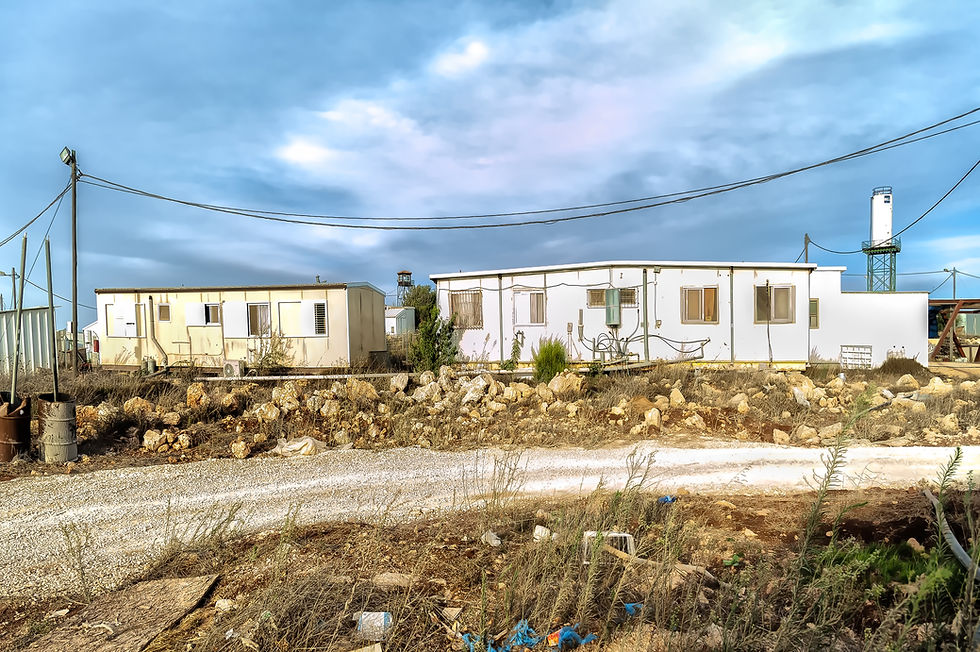
Another Community in Danger of Expulsion

The community of A-Tawil is a longstanding community, which until about a year ago comprised of approximately 30 families. Most make their living from agriculture and shepherding. In recent years, the community’s residential area has been surrounded by violent outposts, and the settlers have been acting to expel the community.
Methods for forcing the community out include grazing livestock in ways that do not allow the community to graze their own sheep, harassment, threats, and damage to residents’ property. The settlers and the youths they mobilize routinely bring their cattle herds to graze on agricultural plots and olive groves belonging to the community, thereby damaging them; steal equipment; cut water pipes; and enter homes to intimidate and terrorize residents. The ultimate purpose is to wear down the residents, disrupt their daily lives, and undermine their basic sense of security. It is working: more than half of the families have already been forcibly displaced, and only 18 families remain.
On July 15, 2026, ACRI, together with Bimkom – Planners for Planning Rights and activists from Looking the Occupation in the Eye, appealed to the military, the police, and the Civil Administration, demanding that they protect the residents of A-Tawil. We appealed again on August 23, 2026, after yet another new outpost was established close to residents’ homes. We warned that in light of the ongoing violence and harassment in the area, the establishment of another outpost adjacent to residents’ homes could further increase the risk of their forcible displacement, and that failure to take immediate action against the new construction would further infringe on residents’ rights.
In the appeals, ACRI Attorney Reut Shaer described the violations of the families’ personal security, their right to property, their freedom of movement, and their ability to earn a living and live in dignity. The violence that they are subjected to are not isolated incidents but rather part of an ongoing pattern that is gradually diminishing the possibility of their continuing to live in the area, and residents’ appeals to the military and the police have been ineffective. We are demanding that the authorities act immediately to provide effective protection to the community and prevent its displacement. This includes allowing the repair of water and electricity infrastructure that had been destroyed; ensuring access to agricultural lands and grazing areas; removing violent individuals from the area; preventing incursions and harassment; and promptly investigating complaints of violence and property damage. We also demanded that the new outpost construction be removed as soon as possible.
On August 24, 2026, we sent another appeal, demanding that the pipe that had supplied water to the community be allowed to be repaired after it had been cut and disconnected two months earlier by settlers from the outposts in the area. The military authorities prevented the repairs from being carried out, insisting that they be coordinated in advance, but a request we submitted on the residents’ behalf had gone unanswered. For two months, at the height of summer, residents were forced to rely on the ancient water cisterns scattered throughout the community and its grazing areas. However, the settlers began targeting this last available source of water as well, breaking the locks on several cisterns and emptying their contents. Soldiers who were present allowed them to continue and removed protective-presence activists who tried to prevent the water from being stolen.
In this latest appeal, Attorney Reut Shaer emphasized that denying reasonable access to water to Palestinian residents, who are protected under international law, is contrary to the law and to the military commander’s obligations to ensure the welfare of protected residents and to meet their essential needs. The military’s involvement in these events, including soldiers passively standing by in the face of settlers’ abuse of the population, effectively facilitates the acts of expulsion and renders the military commander responsible for the resulting violations. We demanded that the repair of the pipe be coordinated, that the community’s water sources be protected, that settlers be kept away from the community’s residential compounds, and that the law be fully enforced against settlers who harass and attack the community.
We sent another appeal on October 8, 2026 to the military, the Civil Administration, and the police, demanding that they take action to halt road-clearing work extending from the outpost known as "Havat Nof Avi" toward and into the community's territory. The work encroaches on private land belonging to community residents, results in olive trees being uprooted and damage to agricultural areas. It also endangers residents by creating a risk of rocks rolling down toward their homes; the completion of the road is expected to further compromise residents' safety and their ability to continue living in the area.
Appeal by ACRI and Bimkom – Planners for Planning Rights, July 15, 2026 (Heb)
Appeal by the organizations, August 23, 2026 (Heb)
ACRI's appeal, August 24, 2026 (Heb)
ACRI's appeal, October 8, 2026 (Heb)
The appeals were written with the assistance of ACRI field coordinator Muhannad Anati and ACRI Field and Documentation Coordinator for Settler Violence, Shahar Shiloach.